
How to Write Content That AI Search Can Cite (A Simple Framework)
How to Write Content That AI Search Can Cite (A Simple Framework)
AI search is changing what “good content” looks like.
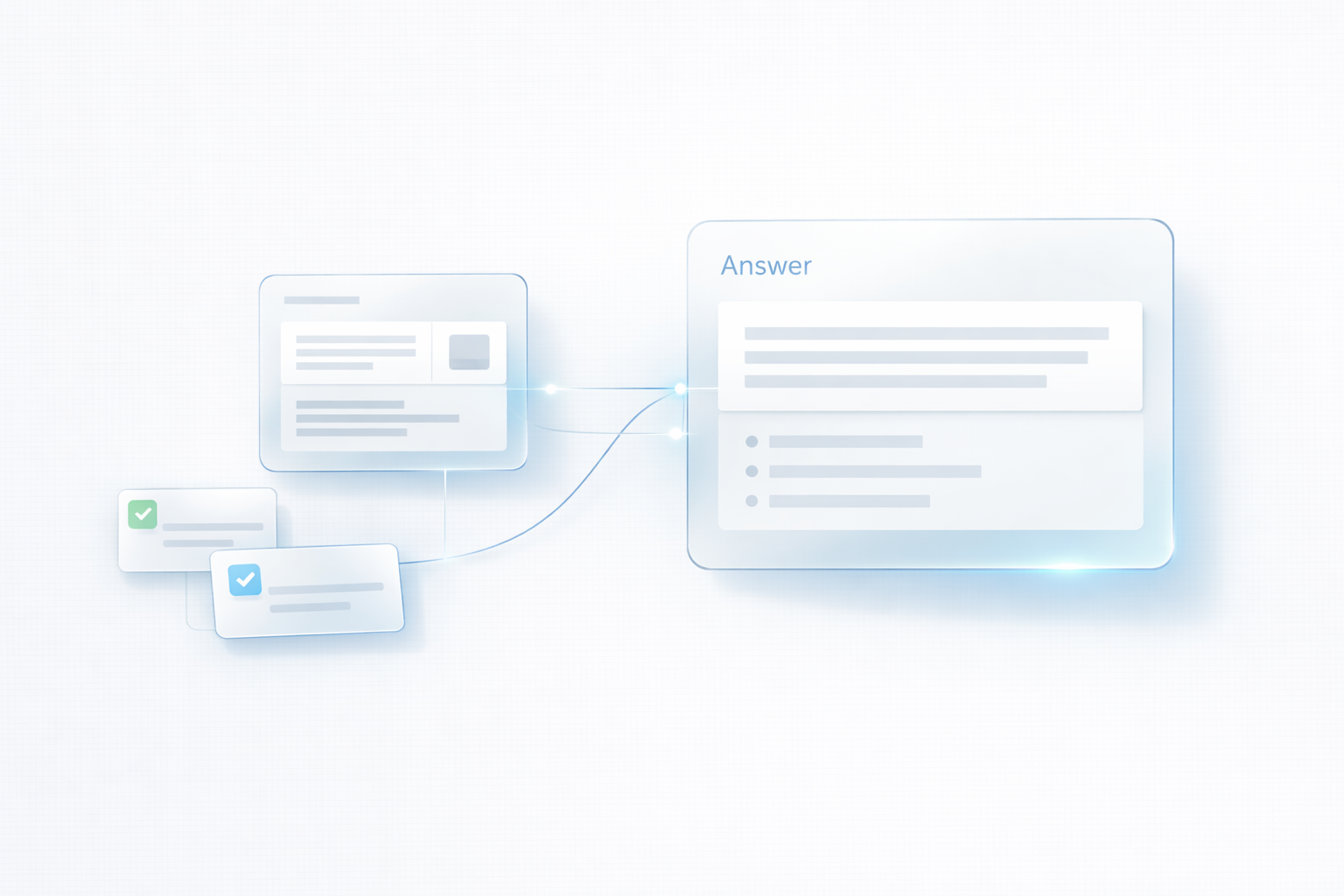
In traditional SEO, a page could rank well by targeting keywords and earning links. In AI-powered search, the system often tries to answer the question directly — and it will only reuse information it can understand quickly and trust.
That’s the shift: you’re not only competing for a position in search results. You’re competing to become a source.
This post shows a simple writing framework that makes your content easier to reuse, easier to trust, and more likely to be cited in AI-generated answers — without turning your writing into something robotic.
If you want help turning this into a clear GEO plan for your business, you can start here:
SEO Optimisation service
What “citable” content looks like
When AI systems pick sources, they’re not looking for “beautiful writing”. They’re looking for clarity and confidence.
Clarity means the point is easy to extract. Confidence means the page feels like it was written by someone who knows the topic and is willing to be specific.
A lot of business websites accidentally do the opposite. They stay vague because they want to appeal to everyone. They write marketing language because it sounds professional. And they avoid details because details feel like commitment.
But citable content is the opposite of vague. It’s focused, direct, and specific enough to be useful.
Why AI search prefers structured pages
Think about how people read online. They scan. They jump to headings. They look for the first useful paragraph and decide if it’s worth staying.
AI systems behave similarly — not because they’re “impatient”, but because they need to assemble an answer from many sources. If your page is hard to navigate, it’s harder to extract. If your paragraphs are long and unclear, it’s harder to reuse. If your point is hidden, it’s likely to be ignored.
This is why structure is not just a design choice. It’s a visibility strategy.
The simple framework: Define → Explain → Prove → Next step
This is the framework we recommend for most practical blog posts and service-led content. It works because it matches how people decide — and how AI systems summarise.
1) Define the topic early (so there’s no confusion)
Start by defining what the page is about in plain English. Don’t “warm up” for six paragraphs. Don’t start with a long story. You can still be engaging — but the reader should understand the topic immediately.
For example:
“GEO is the practice of improving your chances of being cited in AI-generated search answers.”
That single sentence does a lot. It sets context, removes ambiguity, and signals that the post is going to be practical.
If your reader is thinking “wait, what does this mean?” they won’t trust what comes next. A clear definition prevents that.
2) Explain what matters (the decision factors)
Most people are not searching because they want trivia. They’re searching because they want to make a decision.
So after you define the topic, explain the factors that affect it.
In the GEO context, that might include things like:
- What makes a source trustworthy
- What makes a page easy to reuse
- Why vague content rarely gets referenced
- Why helpful examples matter
Notice what we’re not doing: we’re not dumping a checklist. We’re guiding the reader through what matters and why.
A good test is this: if someone only reads this section, would they leave with better judgement than before?
3) Prove it with an example (so it becomes reusable)
Examples are one of the biggest upgrades you can make to your content.
A short example helps the reader understand quickly, and it helps AI systems extract “a useful pattern” with fewer assumptions.
Here’s a simple example of how this could look for a local business:
Topic: “How long does a website redesign take?”
Instead of giving a vague answer like “it depends”, you could write:
- A small brochure website: typically 2–4 weeks
- A service business site with multiple pages and forms: typically 4–6 weeks
- An e-commerce site: typically 6–10+ weeks
Then explain what changes the timeline: content readiness, approvals, number of templates, integrations.
This kind of content gets reused because it’s specific, structured, and realistic. It doesn’t pretend every project is the same. It gives ranges and explains why.
4) Give a clear next step (so the reader knows what to do)
At the end of a good post, the reader should feel one of two things:
- “I understand this now.”
- “I know what to do next.”
If you don’t give a next step, you lose momentum.
A next step can be a simple action like:
- publish one FAQ page answering buyer questions
- rewrite your service page to include clearer outcomes
- improve your About page so the brand feels credible
And if you’re writing for lead generation, this is where your CTA naturally fits.
For Empex, that next step is usually:
Book a GEO / AI Search Visibility audit
What to write about first (if you want results)
If you want content that attracts people who are closer to enquiring, focus on real buyer questions.
Not general industry commentary. Not “AI is the future” posts.
Buyer questions are practical. They usually sound like:
- “How much does it cost?”
- “How long does it take?”
- “What’s included?”
- “What should I avoid?”
- “How do I choose the right option?”
These topics work because they match high-intent searches. They also work because they’re easier to cite: the answers are structured, and they support decisions.
If you pair these posts with strong service pages and internal links, you increase both visibility and conversion.
Common mistakes that stop content from being cited
Most businesses don’t fail because they “don’t publish enough”. They fail because the content they publish is hard to trust or hard to reuse.
The most common issues are:
- writing like a brochure instead of a guide
- staying vague to avoid commitment
- hiding the point instead of stating it
- publishing thin pages that don’t answer questions properly
- not connecting helpful posts to service pages and next steps
You don’t need perfection. You need clarity and usefulness.
Want Empex to help you build GEO-ready content?
If you want a clear plan for what to publish, how to structure it, and how to connect it to lead generation, we can help you build a GEO approach that fits your business.
✅ Book a GEO / AI Search Visibility audit: Book now
Or ask a question: Contact us
Comments
No comments yet. Be the first to leave one.
Related posts
View all →
The 5 Automations Every UK SME Should Implement First
Five practical automations that help UK SMEs reduce admin, respond faster to enquiries, and convert more leads — without adding complexity or losing the human touch.

AI as Infrastructure: A Simple 30-Day Plan for UK SMEs (With Real Examples)
Most businesses don’t need “more AI tools” — they need reliable systems that remove admin and convert leads faster. This simple 30-day plan shows how UK SMEs can implement AI automation step by step.

SEO is Changing: How to Get Your Business Cited in AI Search (GEO) in 2026
AI search engines don’t just rank pages — they cite sources. This guide explains what GEO is, why SEO is changing, and what UK businesses can do to improve their chances of being mentioned in AI-generated answers.